

Some books entertain us, while others quietly become part of our memories. They remind us of people we have loved, places we have left behind, conversations we never finished, and emotions we could never fully express.
The books of Manav Kaul often belong to the second category.
An actor, playwright, theatre director, and author, Manav Kaul has established a distinctive voice in contemporary Hindi literature. His writing moves through the intimate landscapes of memory, love, loneliness, childhood, relationships, and self-discovery.
What makes his storytelling especially compelling is its simplicity. Instead of relying on elaborate plots or dramatic events, he often finds meaning in ordinary experiences. A forgotten memory, an unexpected meeting, or a familiar place can become the beginning of something deeply moving.
If you are looking for the best Manav Kaul books to read, this guide explores some of his notable novels, short-story collections, and reflective works to help you choose your next book.
Who Is Manav Kaul?
Manav Kaul is an Indian actor, playwright, theatre director, and writer known for his contributions to cinema, theatre, and contemporary Hindi literature.
Born in Baramulla, Kashmir, he spent important years of his early life in Madhya Pradesh. His experiences across different places and artistic disciplines have influenced his creative work.
Although many audiences know him through his performances in Hindi films, his literary career reveals another dimension of his artistic identity.
His works frequently examine the emotional complexities of everyday life. Childhood, personal relationships, nostalgia, solitude, and the search for belonging appear repeatedly in his storytelling.
For readers interested in modern Hindi literature, his books offer an opportunity to experience fiction and reflective prose that place human emotions at the center.
Best Manav Kaul Books You Should Read
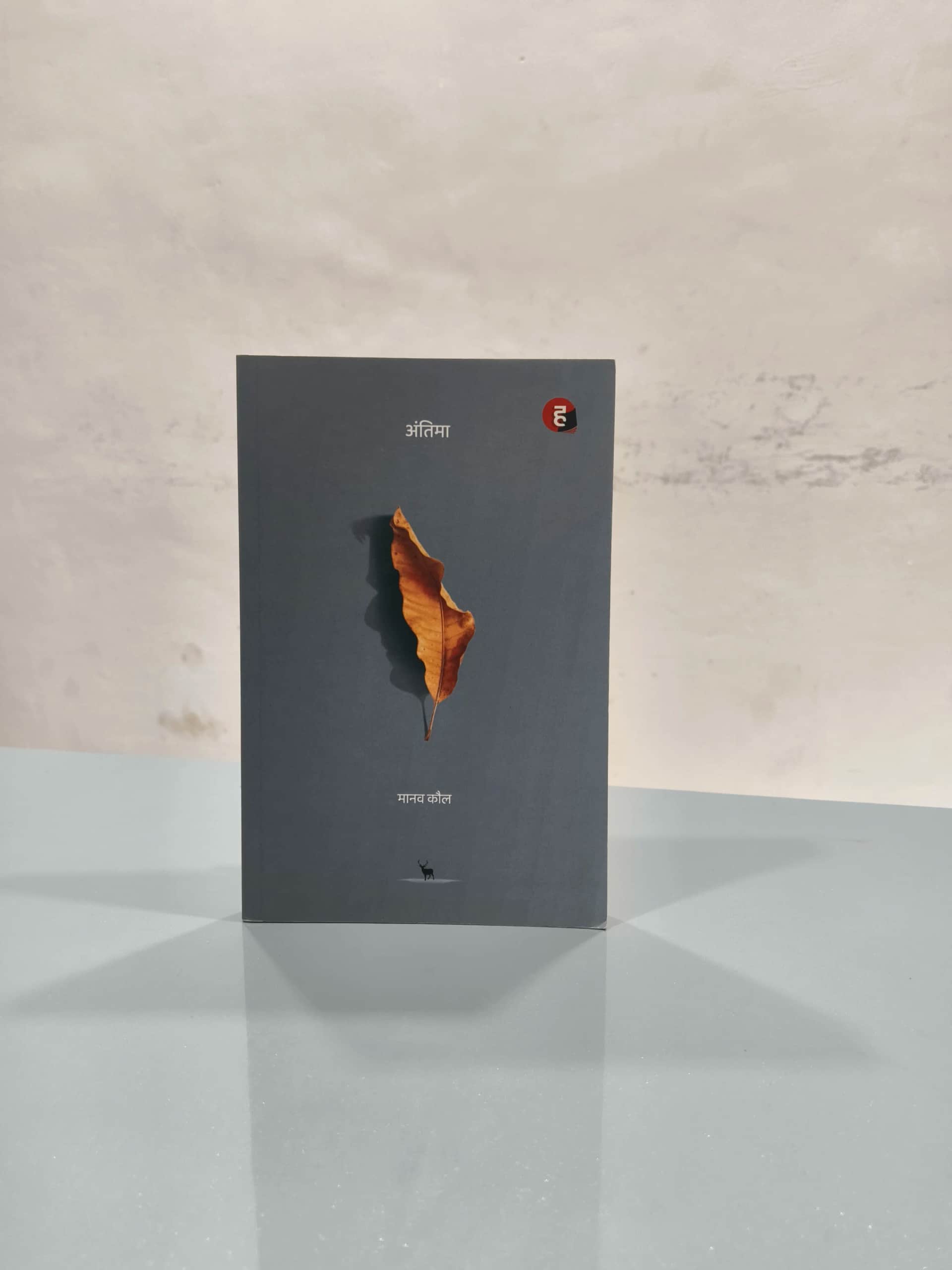
1. Antima (अंतिमा)
Antima is one of the books worth considering when beginning your journey into Manav Kaul's literary world.
Its introspective approach reflects his interest in human connections, memories, and emotional uncertainty. Rather than treating relationships as simple or predictable, his writing encourages readers to recognize their many layers.
The appeal of this kind of fiction lies in its ability to make readers reflect on their own experiences.
Why should you read Antima? If you enjoy literary fiction that encourages reflection and emotional engagement, Antima is a worthwhile addition to your reading list.
Recommended for: Readers who appreciate introspective contemporary Hindi fiction.
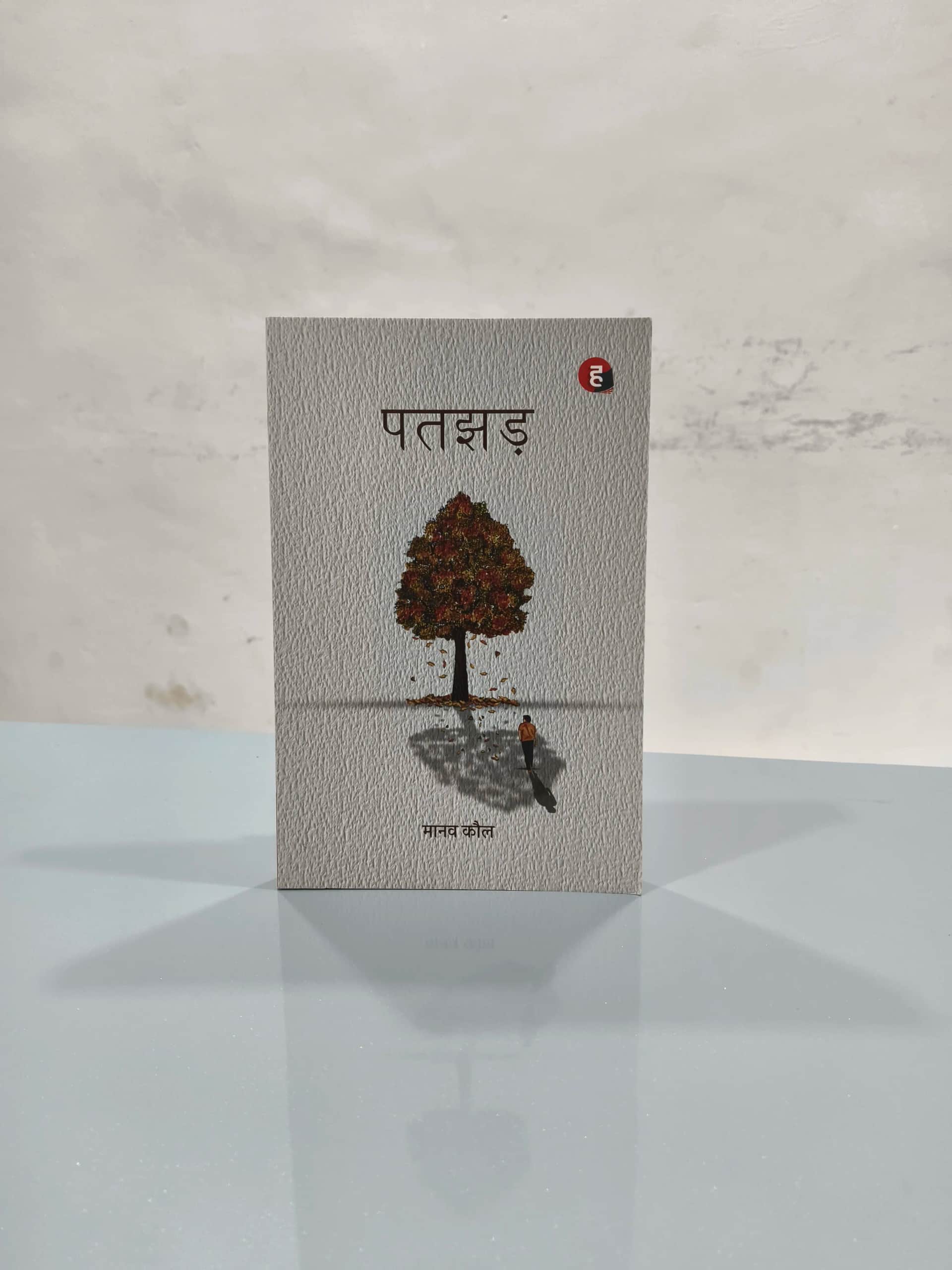
2. Patjhad (पतझड़)
The word Patjhad refers to the season when leaves fall from trees. It naturally brings to mind change, transition, and the passing of time.
For readers drawn to the emotional and philosophical dimensions of storytelling, Patjhad offers another opportunity to explore Manav Kaul's literary sensibility.
His writing often examines how people respond to change, how memories influence the present, and how relationships continue to shape us even as life moves forward.
Why should you read Patjhad? Readers who appreciate reflective, character-focused writing may find the book's literary atmosphere appealing.
Recommended for: Readers interested in themes of change, memory, and personal reflection.
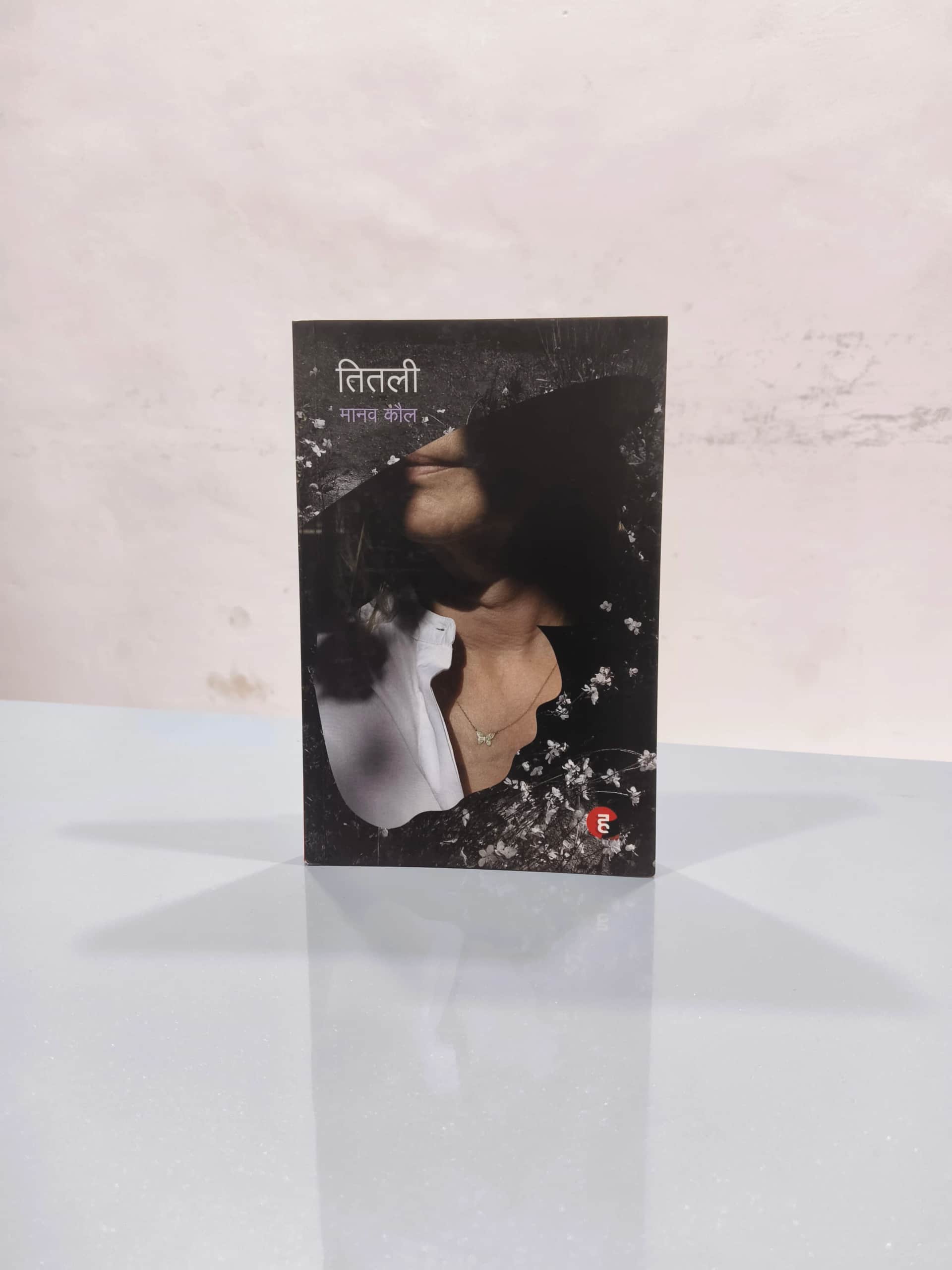
3. Titali (तितली)
Titali is another notable title in Manav Kaul's Hindi bibliography.
His fiction frequently invites readers to pay attention not only to what happens in a story but also to the emotions and questions surrounding its characters.
This is an important part of reading contemporary literary fiction. The value of a book does not always depend on an unexpected ending; sometimes, it lies in how the story changes our understanding of familiar experiences.
Why should you read Titali? If you prefer literary works that encourage interpretation and thoughtful engagement, Titali deserves a place on your reading list.
Recommended for: Readers exploring contemporary and unconventional Hindi fiction.
4. Rooh (रूह)
Rooh is a particularly compelling choice for readers interested in memory, identity, home, and displacement.
The novel follows a protagonist named Manav as he confronts memories connected to Kashmir. His journey becomes both geographical and emotional, bringing the past into conversation with the present.
Through recollections of childhood, family, loss, and belonging, the narrative explores the complicated meaning of returning home.
What makes Rooh significant is its exploration of how personal history and geographical identity remain connected, even after years of separation. The novel also illustrates how remembering a place can be very different from experiencing it again.
Why should you read Rooh?
- Explores memories and the meaning of home
- Connects personal experiences with displacement
- Offers emotionally reflective storytelling
- Presents an intimate literary perspective on Kashmir
Recommended for: Readers interested in identity, nostalgia, displacement, and literary fiction.
5. Prem Kabootar (प्रेम कबूतर)
For readers who enjoy short stories, Prem Kabootar is an excellent title to explore.
A short story has a special challenge: it must create an emotional connection within a limited space. Manav Kaul's interest in ordinary lives and complicated emotions makes the short-story format especially suitable for his storytelling.
His narratives encourage readers to consider the feelings, memories, and unresolved experiences that influence human relationships. Unlike a lengthy novel, a short-story collection also allows readers to discover different narratives at their own pace.
Why should you read Prem Kabootar?
- Suitable for readers who prefer shorter literary works
- Introduces different characters and experiences
- Offers a way to discover Kaul's storytelling style
- Convenient for readers with limited reading time
Recommended for: Beginners, short-story enthusiasts, and readers exploring modern Hindi fiction.
6. Theek Tumhare Peechhe (ठीक तुम्हारे पीछे)
Theek Tumhare Peechhe is an important early short-story collection in Manav Kaul's literary career. For readers who want to understand how his writing developed, exploring his earlier works can be particularly rewarding.
Short stories offer writers room to experiment with perspectives, characters, and narrative structures. They also allow readers to experience multiple emotional worlds within one book.
Theek Tumhare Peechhe is worth exploring for its place in Kaul's body of literary work and its contribution to his identity as a Hindi storyteller.
Why should you read Theek Tumhare Peechhe? Readers interested in short fiction and the development of a contemporary author's writing style will find it a valuable starting point.
Recommended for: Hindi short-story readers and those interested in exploring an author's early work.
7. Shirt Ka Teesra Button (शर्ट का तीसरा बटन)
Shirt Ka Teesra Button explores childhood, friendship, family relationships, and the difficulties of growing up.
The story follows Rajil and his friends Radhe and Choti as events in their lives gradually challenge their understanding of the people around them. Following a death in Rajil's family, familiar relationships begin to appear more complicated, and the characters encounter unsettling experiences that affect their friendships and their sense of security.
The novel captures an important truth about growing up: childhood is not simply a period of innocence. It is also a time when people begin to discover that the world is more complicated than they once believed.
Why should you read Shirt Ka Teesra Button?
- Explores childhood and changing relationships
- Examines friendship and family dynamics
- Focuses on emotional growth
- Offers a character-driven narrative
Recommended for: Readers who enjoy coming-of-age fiction and stories about childhood.
8. Bahut Door, Kitna Door Hota Hai (बहुत दूर, कितना दूर होता है)
Travel changes more than our physical surroundings. It can change how we think, what we remember, and how we understand ourselves.
Bahut Door, Kitna Door Hota Hai is a travelogue that reflects Manav Kaul's interest in journeys and personal observation. Rather than approaching travel only as a collection of destinations, the book invites readers to consider the experiences and conversations that emerge along the way.
It is an appealing choice for those who believe that travelling is as much about discovering oneself as it is about discovering new places.
Why should you read Bahut Door, Kitna Door Hota Hai?
- Offers an introspective approach to travel
- Combines journeys with personal reflection
- Appeals to readers beyond conventional fiction
- Encourages observation and self-discovery
Recommended for: Travel enthusiasts and readers who enjoy reflective nonfiction.
Which Manav Kaul Book Should You Read First?
With several different forms of writing to explore, choosing your first book can feel difficult. The best starting point depends on the type of reading experience you enjoy.
If you prefer emotionally reflective fiction, consider beginning with Antima or Patjhad. If childhood, friendship, and growing up interest you, Shirt Ka Teesra Button offers a compelling narrative. Readers interested in Kashmir, belonging, and memory may find Rooh particularly meaningful.
If you are new to Hindi literature and prefer shorter works, Prem Kabootar or Theek Tumhare Peechhe may be suitable choices. And if travel writing appeals to you, Bahut Door, Kitna Door Hota Hai offers a different perspective on Manav Kaul's literary interests.
There is no required reading order. Each book provides a different opportunity to explore his creative voice.
What Makes Manav Kaul's Writing Different?
Emotionally Honest Storytelling
One of the defining qualities of Manav Kaul's writing is his interest in emotions that are difficult to explain. His work frequently explores relationships, uncertainty, vulnerability, and the complicated feelings people carry through their lives.
Ordinary Life as Literature
Not every meaningful story needs an extraordinary event. In Kaul's literary world, seemingly ordinary experiences can hold considerable emotional significance — which allows readers to recognize parts of their own lives within his writing.
Memory and Nostalgia
Memories are more than recollections of past events. They influence how people understand their identities, relationships, and present circumstances. Kaul repeatedly returns to these themes, exploring the ways personal history shapes human experience.
The Influence of Theatre
His background in theatre adds another interesting dimension to his identity as a writer. Theatre requires a close understanding of characters, dialogue, and human behavior — interests that are also relevant when examining his work as a storyteller.
Space for Reader Interpretation
Literary fiction often becomes more meaningful when it allows readers to draw their own conclusions. Kaul's reflective approach can appeal to readers who enjoy exploring the emotional and philosophical questions raised by a story.
Why Manav Kaul Matters to Contemporary Hindi Literature
Hindi literature has a rich tradition shaped by writers such as Premchand, Nirmal Verma, Krishna Sobti, and many others. Contemporary writers contribute to this evolving landscape by introducing new narrative approaches, perspectives, and experiences.
Manav Kaul's contribution lies partly in his willingness to explore the inner lives of individuals through fiction, short stories, and reflective writing. His work connects with readers who appreciate stories about ordinary people, complex emotions, and the search for personal meaning.
For younger readers discovering Hindi literature, his books can also serve as an introduction to contemporary literary storytelling. They demonstrate that Hindi writing continues to engage with changing identities, relationships, and experiences while maintaining a deep interest in human emotions.
Explore More Hindi Literature at Pustakdham
Reading Manav Kaul can be the beginning of a broader journey into contemporary Hindi literature. If you enjoy his reflective storytelling, consider exploring other Hindi authors who write about human relationships, identity, memory, and everyday life.
At Pustakdham, we believe discovering a book should be about more than choosing a popular title. It should be about finding stories that connect with your interests, experiences, and imagination.
Browse the Hindi books shelf, discover more titles on the Manav Kaul author page, or explore our reading guides for more recommendations.
Final Thoughts
Manav Kaul's books offer readers a literary experience shaped by introspection, emotion, and careful observation of everyday life.
Whether you begin with Antima, explore the memories and displacement portrayed in Rooh, revisit childhood through Shirt Ka Teesra Button, or discover his short fiction through Prem Kabootar, his writing offers multiple paths into contemporary Hindi literature.
The best book is not necessarily the one everyone is reading. It is the one that speaks to something within you. For readers who enjoy thoughtful storytelling and emotionally meaningful literature, Manav Kaul is an author worth exploring.